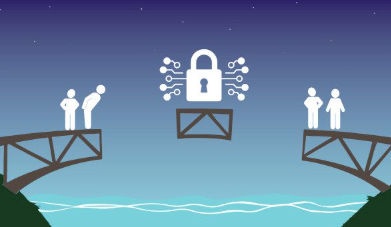

Bridge security risks span people, processes, and technology, with gaps in training, access control, and asset inventories creating exploitable weaknesses. Governance gaps slow responses to incidents and complicate decision-making. A practical approach combines structured risk evaluation with concrete controls, prioritizing vulnerabilities and enabling continuous monitoring. Clear risk appetite and defined roles align stakeholders, support incident response, and drive data-driven actions. The framework remains incomplete without ongoing mitigation and sensing of anomalies, inviting further consideration.
What Bridge Security Really Means and Why It Matters
Bridge security encompasses the measures, controls, and processes that protect cross-chain interactions from theft, manipulation, or failure. This topic clarifies meaning, stakes, and rationale behind protections. It highlights bridge governance as a framework for accountability, decision rights, and transparency, while aligning stakeholders with a defined risk appetite. Clear objectives enable proactive risk mitigation, governance discipline, and resilient, freedom-supporting ecosystem growth.
Common Threats Across People, Processes, and Technology
Security threats to cross-chain systems arise from weaknesses across people, processes, and technology. Adversaries exploit gaps in staff training, access control, and asset inventory, triggering incidents before governance frameworks respond. Proactive risk visibility requires clear incident response coordination, vendor risk assessments, and ongoing governance. A disciplined approach aligns people with processes, reducing exposure and enabling freedom through resilient, transparent security culture.
A Practical Framework to Assess Your Bridge Security
A practical framework for assessing bridge security combines structured risk evaluation with actionable controls, enabling organizations to identify vulnerabilities before they can be exploited. The framework introduces a bridge risk taxonomy to categorize threats, prioritizes vulnerabilities through vulnerability prioritization, and enforces continuous monitoring. It clarifies roles, ensuring stakeholder accountability while supporting proactive, data-driven decision making for resilient infrastructure.
How to Mitigate, Monitor, and Improve Over Time
Implementing mitigation, ongoing monitoring, and continuous improvement is essential to reduce exposure, detect anomalies early, and adapt controls as threats evolve.
The section emphasizes a disciplined risk assessment framework and proactive incident response planning, integrating feedback loops from tests and real incidents.
Continuous improvement measures refine detection accuracy, governance, and resilience, supporting informed decision-making and freedom-oriented security choices.
See also: howblogs
Frequently Asked Questions
How Often Should a Bridge Security Program Be Reviewed?
An annual review is recommended for a bridge security program, with quarterly updates to risk assessments. The process should integrate bridge maintenance insights and incident response drills, ensuring proactive adjustments and transparent reporting that supports a freedom-minded, vigilant organization.
Can Humans Alone Cause Security Breaches in Bridges?
Humans alone can cause breaches through human factors and insider threats, as deliberate acts or negligence compromise access controls, procedures, and monitoring. Proactive defenses require detection, education, segmentation, and cultural safeguards to mitigate this risk without undermining operational freedom.
What Legal Liabilities Arise From Bridge Security Failures?
Legal liabilities arise from negligent design, maintenance failures, and enforced risk allocation disputes; responsibilities shift among owners, operators, and contractors. Coincidence suggests compliance programs reduce exposure, yet accountability remains, guiding proactive risk allocation and liability management for freedom-seeking audiences.
Are There Industry Benchmarks for Acceptable Risk Levels?
Industry benchmarks for acceptable risk levels vary, but organizations typically establish ambitious metrics aligned with risk appetite, enabling proactive governance, continuous monitoring, and iterative adjustment to security postures in pursuit of measured, auditable improvements.
How Do Weather Events Affect Bridge Security Planning?
Weather events elevate uncertainty; climate volatility reshapes planning assumptions. The analysis shows weather vulnerability drives adaptive security measures, while flood impact necessitates resilience investments. Strategists balance immediacy with long-term protection, pursuing proactivecfreedom-oriented risk mitigation and transparent stakeholder engagement.
Conclusion
Security for bridges is a ledger of trust where risk is weighed like coins in a safe. People are the keys, processes the tumblers, technology the guards; a lapse in any part jars the lock. The practical framework acts as a metronome, guiding cadence—inventory, access, governance, monitoring—until anomalies become familiar. With continuous mitigation, sensing, and iteration, resilience accrues, and the ecosystem breathes with predictable rhythm, resilient to changing storms, to keep bridges secure and trustworthy.